Commercial · youth & expectations
“남들은 우리더러 청춘을 즐기라는데, 가진 건 하나도 없고…”
A line about pressure, expectations, and the gap between what people say and how life feels.
A line about pressure, expectations, and the gap between what people say and how life feels.
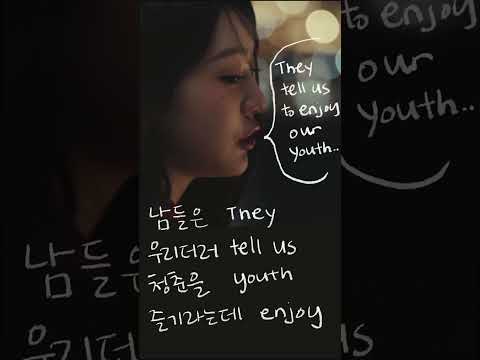
Video lesson
Short Korean commercial line about youth and expectations. Watch the scene in Korean, then scroll down on this page for a full breakdown of the nuance, vocabulary, and emotional tone.
남들은 우리더러 청춘을 즐기라는데, 가진 건 하나도 없고…
👉 Natural English:
“People keep telling us to enjoy our youth, but we don't have anything.”
You can also translate the second half more emotionally as:
“…but it's not like we actually have anything.”
This line isn’t just complaining about money. It captures the feeling of being told to be happy and carefree when, in reality, you don’t have the stability or resources that make that possible.
남들 literally means "other people" or "everyone else."
With -은 topic marker:
남들은 ≈ "People (you know, out there)…"
It often carries a nuance of mild annoyance, distance, or irony.
-더러 is used when someone tells or expects someone else to do something:
선생님이 저더러 일찍 오라고 하셨어요.
→ "The teacher told me to come early."
So 우리더러 … 하라는데 =
"They keep telling us to …"
K-Lines members see the full breakdown here.
Unlock extra examples, tone notes, and quizzes for this line and other lessons.
청춘 = youth (the period of life; often idealized)
즐기라는데 comes from:
즐기다 (to enjoy) + -(으)라 (command style) + -는데 (background, "they say / although")
Here, … 즐기라는데 is like:
"They're there telling us to 'enjoy our youth'…"
The -는데 at the end is important: it sets up a contrast with what comes next.
가진 건 is a shortened form of:
So together:
"when we don't have anything at all…"
The trailing -고… leaves the sentence emotionally hanging, which is very common in Korean monologues. It suggests unspoken feelings like:
A more expressive translation could be:
"People keep telling us to 'enjoy our youth', but it's not like we actually have anything…"
The line captures:
K-Lines members see the full breakdown here.
Unlock extra examples, tone notes, and quizzes for this line and other lessons.
Super simple meaning:
“They all say: ‘Enjoy your youth!’ but… we have nothing (no money, no stability), so it doesn’t feel that simple.”
K-Lines members see the full breakdown here.
Unlock extra examples, tone notes, and quizzes for this line and other lessons.
What nuance does "남들은" often have?
"우리더러 청춘을 즐기라는데" most naturally feels like:
Which English line best matches "가진 건 하나도 없고…" in this context?
True or false: The overall line sounds happy and carefree about youth.
Here are a few ways you might hear or echo this feeling in everyday Korean:
청춘 즐기라는데, 돈이 있어야 즐기죠.
"They say, ‘enjoy your youth,’ but you need money to enjoy it."
다들 청춘이라 좋겠대도, 가진 게 없으니까 그냥 버티는 거죠.
"People say youth is great, but when you don’t have anything, you’re just surviving."
즐기고 싶어도, 현실이 안 도와줘.
"Even if I want to enjoy it, reality doesn’t really help."
이런 말 들으면 그냥 웃으면서 넘기지만, 사실은 좀 씁쓸해요.
"When I hear stuff like that, I just laugh it off, but honestly it feels a bit bitter."
These paraphrases help you talk about the same feeling in your own words, not just quote the commercial line.
K-Lines members see the full breakdown here.
Unlock extra examples, tone notes, and quizzes for this line and other lessons.
Unlock extra examples, tone notes, and full quizzes for “남들은 우리더러 청춘을 즐기라는데, 가진 건 하나도 없고…” and other lessons.
Continue learning with more Korean phrases from K-dramas, K-pop, and daily life.