K-pop talk · concert moments
“저 이제 좀 Bay Area 사람 같나요?”
A playful Bay Area concert moment that turns into a warm, poetic goodbye — from local jokes to promises, health wishes, and a fan light metaphor.
A playful Bay Area concert moment that turns into a warm, poetic goodbye — from local jokes to promises, health wishes, and a fan light metaphor.
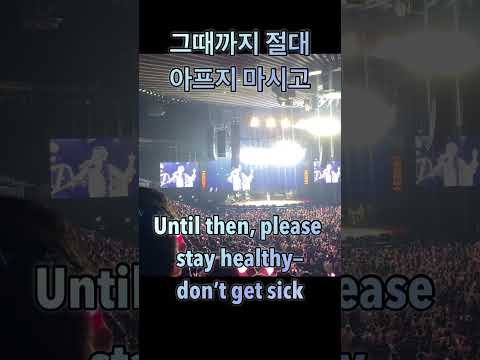
Video lesson
IU imitates the Bay Area ‘woo~’ cheering sound, jokes that she feels like a Bay Area person now, then admits she was just getting used to the moment even though it’s already the last song — and ends with a warm promise to return, a ‘don’t get sick’ wish, and a fan light metaphor.
저 이제 좀 Bay Area 사람 같나요?
나 이제 좀 익숙해졌는데 벌써 마지막 곡… 아쉽지만
아까 약속 드린 것처럼 머지 않은 미래에 다시 만나러 오겠습니다.
그때까지 아프지 마시고,
여러분 인생에 아까처럼 fan light 제가 흔드는 거 기억하시죠?
여러분 힘드신 날,
여러분 인생에 fan light 흔들고 있는 아이유 기억해주시면 감사하겠습니다.
지금까지 the Bay Area에서 아이유였습니다. 감사합니다!
Romanization: jeo ije jom be-i e-ri-eo saram gatnayo?
📚 Key Vocabulary
👉 Natural English:
“Do I sound like a Bay Area local now? I was just getting used to this… but it’s already the last song, which makes me a little sad. Just like I promised earlier, I’ll come back to see you again in the not-too-distant future. Until then, please don’t get sick. You remember when I was waving your fan light earlier, right? On days when life is hard, I’d be grateful if you could remember IU waving a fan light in your life. This has been IU in the Bay Area. Thank you!”
IU starts by copying the Bay Area “woo~” cheer and joking that she feels like a Bay Area person now. Then she shifts into a bittersweet moment about it already being the last song. After promising to return soon, she makes a warm wish for the fans’ health, and uses a fan light as a metaphor: on hard days, she wants them to remember her cheering for their life. She closes with a classic polite Korean stage outro: “This has been IU in the Bay Area. Thank you.”
Key phrase
저 이제 좀 Bay Area 사람 같나요? Literally: “Do I now, a bit, sound like a Bay Area person?” Feels like: “Am I starting to feel like a real Bay Area local now?”
IU imitates the crowd’s “우우우우~” cheer first, then asks this line. The joke is that by copying this very Bay Area way of reacting at concerts, she’s becoming one of them — almost like a local.
저 이제 좀 한국 사람 같나요?
Do I seem/sound a bit like a Korean person now?
너 이제 완전 뉴요커 같아.
You totally seem/sound like a New Yorker now.
You’ll see Koreans add “좀” all over the place. Literally it means “a bit,” but often it’s just a softener to make things sound less direct and more friendly or cute.
사진 좀 보여 주세요.
Could you show me the photo (please)?
조금만 기다려 줄 수 있어요?
Could you wait just a little bit?
Breakdown
나 이제 좀 익숙해졌는데 = I was just getting used to this. 벌써 마지막 곡 = It’s already the last song. 아쉽지만 = It’s a bit sad / regretful, but…
익숙해지다 means “to become used to something.” IU is saying that she was finally settling into the feeling of this concert and crowd, and then — it’s already the last song.
이제 좀 익숙해졌는데 끝나서 아쉬워요.
I was just getting used to this, so I’m sad it’s already over.
시간이 부족해서 아쉬웠어요.
I felt it was a pity we didn’t have enough time.
Nuance
Note: 머지 않은 미래 = literally, “a future that is not far.” Feels like: “in the not-too-distant future / before too long / very soon.”
This line sounds polite and slightly literary, but it’s still natural in a concert speech. IU is reassuring the audience that this goodbye isn’t permanent.
머지 않은 미래에 다시 만날 수 있을 거예요.
We’ll be able to meet again in the not-too-distant future.
머지않아 좋은 소식이 있을 거예요.
There will be good news before long.
After promising to come back, IU adds a very Korean kind of caring: she asks the fans not to get sick until then.
Breakdown
그때까지 = until then 아프지 마시고 = please don’t be sick (polite)
감기 조심하고 아프지 마세요.
Be careful not to catch a cold, and don’t get sick.
우리 다음에 만날 때까지 아프지 마.
Until we meet next time, don’t get sick.
IU reminds the crowd of an earlier moment when she waved someone’s fan light, and then turns it into a metaphor: she imagines herself waving a fan light in the story of your life.
Key idea
여러분 인생에 fan light 제가 흔드는 거 = me (IU) waving a fan light in your life
네 인생에 항상 응원해 주는 사람들이 있어.
There are people who are always cheering you on in your life.
나중에 힘들 때 이 순간 떠올려 줘.
When things are hard later, think of this moment.
IU doesn’t just talk about today’s concert. She talks about “힘드신 날” — the days when life is hard for you.
마음이 힘든 날에는 친구한테 연락해.
On days when your heart feels heavy, reach out to a friend.
몸도 마음도 많이 힘드신 날이었죠.
It was a day when both your body and heart were really tired, right?
IU asks the fans to remember that image of her waving a fan light in their life, and uses a very polite ending to do it.
Breakdown
Note: 기억해 주다 = to remember (for someone) -시면 = if you (would) 감사하겠습니다 = I would be thankful / grateful
So “기억해주시면 감사하겠습니다” is literally “If you remember (me/this), I would be grateful.” In natural English: “I’d be grateful if you remembered me like that.”
이 순간을 오래오래 기억해주시면 감사하겠습니다.
I’d be grateful if you could remember this moment for a long time.
언제나 응원해 주시면 정말 감사하겠습니다.
I’d be truly grateful if you always cheered me on.
IU ends with a very standard but warm Korean closing: “지금까지 the Bay Area에서 아이유였습니다. 감사합니다!”
Pattern
지금까지 [장소/프로그램/팀]에서 [이름]이었습니다. = This has been [Name] from [place/show/team].
지금까지 서울에서 아이유였습니다. 감사합니다!
This has been IU in Seoul. Thank you!
지금까지 DJ 민수였습니다.
This has been DJ Minsu.
You probably won’t copy the whole IU speech in daily life, but the core patterns are incredibly useful and flexible.
나 이제 여기 삶에 좀 익숙해졌는데, 이사 가려니까 아쉽다.
I was just getting used to life here, so it feels a bit sad to move.
머지 않은 미래에 또 볼 수 있으면 좋겠어요.
I hope we can see each other again in the not-too-distant future.
다음에 만날 때까지 아프지 마.
Until we meet next time, don’t get sick.
힘든 날에는 오늘 얘기했던 거 꼭 기억해 줘.
On hard days, please remember what we talked about today.
K-Lines members see the full breakdown here.
Unlock extra examples, tone notes, and quizzes for this line and other lessons.
What does “Bay Area 사람 같나요?” most naturally mean in this context?
Which feeling does “아쉽다” express here?
In “그때까지 아프지 마시고,” what is IU asking the audience to do?
True or false: “기억해주시면 감사하겠습니다” is a rude, casual way to say “remember me.”
K-Lines members see the full breakdown here.
Unlock extra examples, tone notes, and quizzes for this line and other lessons.
Unlock extra examples, tone notes, and full quizzes for “저 이제 좀 Bay Area 사람 같나요?” and other lessons.
Continue learning with more Korean phrases from K-dramas, K-pop, and daily life.